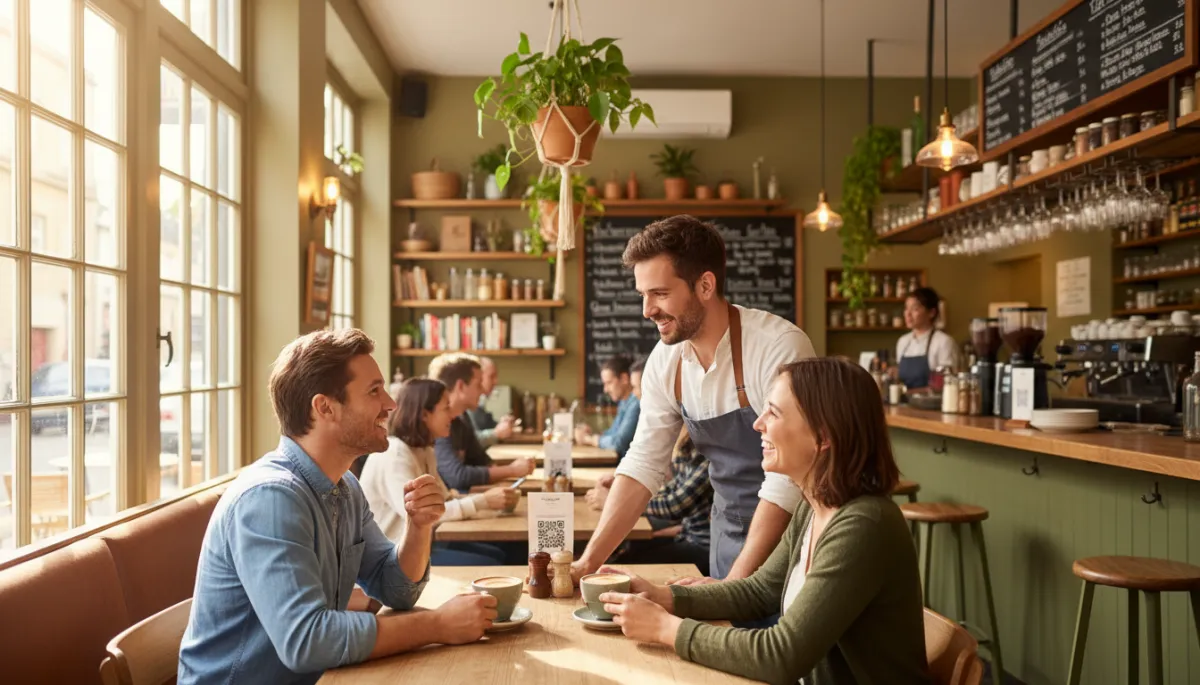
Transform Your Space into an Experience Hub
SMALL BUSINESS GROWTH, Experience Hub, Customer Lifetime Value, Customer Retention, Small Business, CRM, Referral Marketing, Business Growth, Repeat Revenue
Beyond the Till: Transforming Your Physical Space into an Experience Hub (and Owning the Customer)
Turn your shop, restaurant, or salon into an experience hub. Four practical steps to build customer lifetime value, own your data, and grow loyalty.
Why your next sale is hidden in your last customer
Harvard Business Review estimates that acquiring a new customer can cost five to twenty-five times more than keeping an existing one. Bain & Company found that increasing customer retention by just 5% can lift profits by anything from 25% to 95%. Those are big numbers, even before you factor in rising ad costs and tighter margins for every small business on the high street.
Now think about last month. How many people walked into your restaurant, your salon, or your local plumbing showroom? And how many of them have you seen just once… paid at the till… and never again? You did the hard work to win them. But did you do the simple work to keep them?
The businesses that will still be here in five years will not treat their premises as a place to take money and print receipts. They will treat it as an experience hub — a place where every visit is the start of a relationship, not the end of a transaction. In this guide, we will show you how to turn your physical space into an experience hub and quietly build a lifetime connection with every customer who walks through the door.
The death of the one-time sale
Footfall still matters. But it is no longer the main game. What matters now is Customer Lifetime Value — the total value of a customer over the years they stay with you. When you focus on lifetime value, every visit becomes an opportunity to deepen the relationship, not just fill the till for tonight’s takings.
Picture a Nepali restaurant in a UK town. A family of four discovers your place on a Friday night. They love the momos, the warmth, the way you remember their children’s names. They come back twice a month. That is 24 visits a year. Over five years, that is 120 visits. If their average bill is £60, that one family is worth £7,200 before they have even told their friends. That is Customer Lifetime Value in action.
Now think about a salon. A client spends £70 every six weeks on a cut and colour. That is roughly nine visits a year, or £630. Over three years, their Customer Lifetime Value is already £1,890. Add a few treatments, products, and the occasional pre-holiday refresh, and you are easily over £2,000 from one loyal client who trusts you with their hair and their confidence.
For a local plumber, the numbers look different but the principle is the same. A homeowner might call you for an emergency leak once. If you stay in touch, that can turn into annual boiler services, pre-winter checks, bathroom refits, and referrals to neighbours. One “small” job can quietly grow into thousands of pounds over time — if you treat it as the start of a relationship, not a one-off rescue.
📌 Key takeaway: Footfall pays the bills this month. Customer Lifetime Value keeps your business alive for the next decade.
Step 1: Design the experience hub, not just the shop floor
An experience hub is simply a physical space that does more than sell. It teaches, entertains, connects, and gives people something worth talking about. You do not need a huge budget. You need a clear idea and the courage to try something a little different on a quiet evening or Sunday afternoon.
If you run a Nepali restaurant, imagine a monthly Supper Club. One night a month, you host a “Taste of Kathmandu” evening. Set menu. Storytelling about dishes. A short cooking demo of how you fold the perfect momo. Guests leave not just full, but with a story to tell and photos to share. You can even offer a small discount if they bring a friend next time. That is how word spreads beyond the usual Friday rush.
For a salon, consider a Style Surgery evening once a quarter. A small group of regulars and their friends. You show them how to style their hair at home, which products actually matter, and which trends suit their face shape. Offer a glass of fizz, a simple goody bag, and a small booking bonus if they rebook on the night. You are no longer “just” a stylist. You are their trusted expert.
Plumbers can do this too. Host a Home Maintenance Masterclass in a local community hall or even in your small warehouse. Teach people how to bleed radiators, spot early signs of leaks, and prepare their boiler for winter. Offer a discounted pre-winter check for attendees. You position yourself as the go-to expert, not the last-minute emergency number on Google.
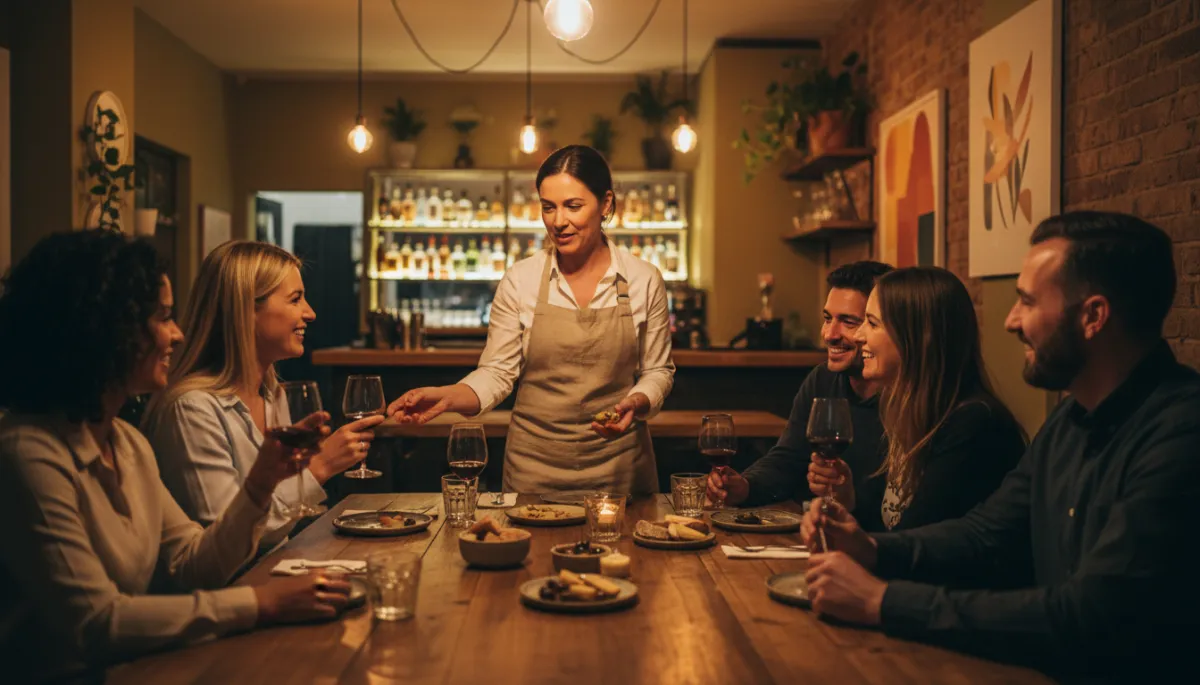
Simple in-store events turn casual visitors into regulars who feel part of your story.
💡 Pro tip for small businesses: Start with one small event. Ten people. One clear theme. One simple offer to bring them back.
Step 2: Take ownership of your data — the CRM setup
Many small businesses think they “have an audience” because they have followers on Instagram or reviews on a delivery app. The hard truth is this: you do not own those relationships. Algorithms change. Fees go up. Accounts get blocked. When that happens, your “audience” can vanish overnight, and you are left with an empty till and no way to reach the people who actually liked you.
This is where a simple CRM (Customer Relationship Management system) comes in. It sounds technical, but in practice it is just a secure, organised list of your customers, with their contact details, preferences, and visit history. Once they are in your CRM, you can reach them directly by email or SMS, without paying a middleman every time you want to say hello or share an offer. That is how you take back control of your customer retention.
The key moment is checkout. When someone pays, you invite them into your digital world in a way that feels natural and helpful, not pushy. A Nepali restaurant might offer e‑receipts and a “Local Food Lovers VIP Club”. A small card by the till or on each table with a QR code: “Scan for a free dessert on your next visit and insider invites to our Supper Club.” They scan, enter their name, email, and birthday. Your CRM does the rest in the background.
In a salon, the stylist can say, “We send a quick reminder before your next visit and a birthday treat — shall I add you to our list?” The client taps a link on a tablet, or scans a QR code on the mirror. For a plumber, after a job you can send an e‑receipt with a link to join your “Home Care Club” for boiler reminders, seasonal tips, and priority call-outs. Each of these flows straight into your CRM, building a real asset for your business.
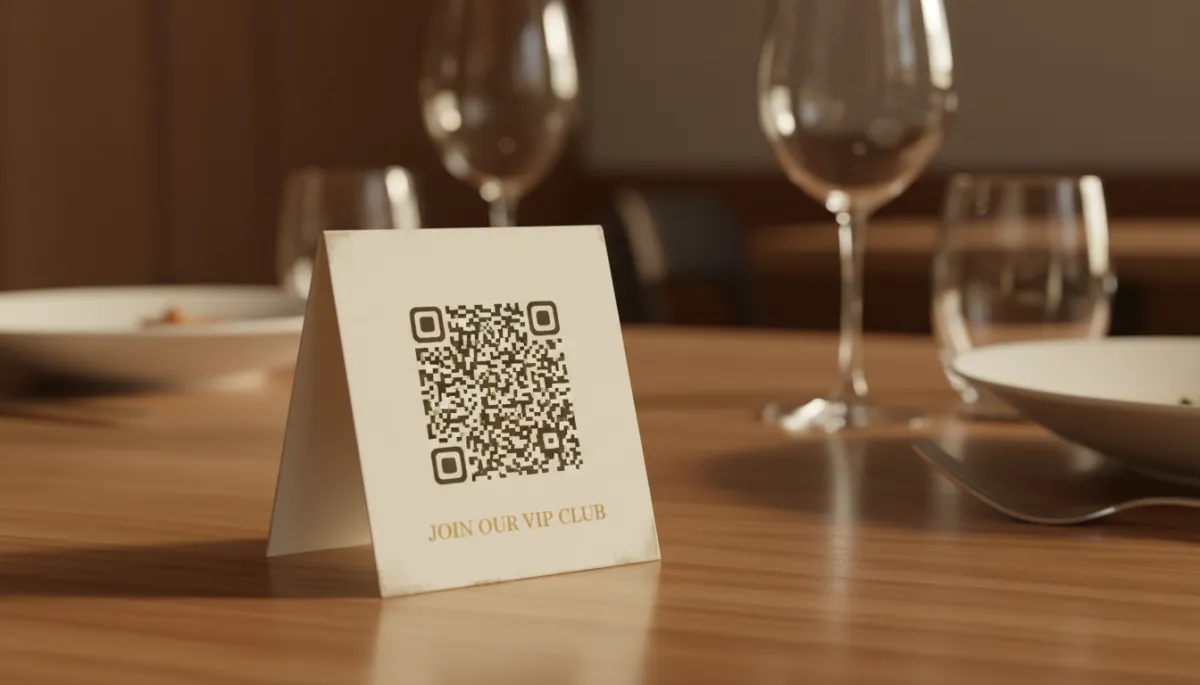
A simple QR code at the table can quietly grow your owned customer list every day.
📌 Key takeaway: Followers belong to the platform. Contacts in your CRM belong to you.
Step 3: Managing the relationship post‑purchase (on autopilot)
Once a customer is in your CRM, the real magic begins. Automation lets you stay in touch without living in your inbox. You set up simple email or SMS sequences once. They then run quietly in the background, triggered every time someone visits, books, or buys. No extra effort. Just steady, thoughtful contact that keeps you top of mind and boosts customer retention all year round.
Let us take a Nepali restaurant and build a four‑message post‑visit sequence:
Day 1: “Thank you for visiting” message with a quick feedback link and a friendly note from the owner. No hard sell. Just warmth and a reminder of the experience hub feeling they had in your space.
Day 10: A story email about one of your dishes, with a recipe tip and a small incentive to book again mid‑week when you are quieter.
Day 30: “Bring a friend” offer — perhaps a free plate of momos when they book for three or more people.
Quarterly: A newsletter with upcoming Supper Club dates, menu changes, and a gentle reminder that your restaurant is their local experience hub for family gatherings and celebrations.
The same logic works beautifully for salons. After a visit, an automated message thanks the client and shares aftercare tips tailored to their service. A couple of weeks later, they receive styling tips or product advice. As their usual six‑week window approaches, an automatic reminder suggests booking before slots fill up. No awkward phone calls. No lost clients who “meant to book” but forgot. Your CRM quietly protects that £2,000+ Customer Lifetime Value over the years.
For plumbers, automation can be a lifesaver in winter. After a repair, your system sends a follow‑up to check everything is working. A few months before winter, an automated message goes to all boiler customers: “It is nearly cold‑weather season — click here to book your discounted pre‑winter boiler check.” You look proactive and caring, and you fill your calendar with planned work instead of last‑minute emergencies at 2am.
💡 Pro tip: Write your messages as if you are talking to one regular, not a crowd. Keep them short, warm, and useful.
Step 4: Creating the referral loop — digital word of mouth
Word of mouth has always been the best marketing for small businesses. The problem is, most owners leave it to chance. An experience hub approach makes referrals deliberate, trackable, and easy. Your CRM and simple referral marketing tools can turn happy customers into a steady stream of new ones — without you spending more on ads every month.
Here is a simple four‑step digital word‑of‑mouth system you can adapt whether you run a restaurant, salon, or plumbing business:
Choose the right incentive. For a Nepali restaurant, this might be a free starter or dessert for both the existing customer and their friend when they dine together. For a salon, it could be 20% off a cut for the new client and a free treatment upgrade for the referrer. For a plumber, a discounted boiler check or priority appointment slot for both households can work well.
Make it one tap. Your CRM or loyalty tool creates a unique referral link for each customer. You send it by text or email after a great experience. All they have to do is forward it to a friend or share it in a message. No printed cards to lose. No complicated codes to remember.
Automate the tracking. When a friend books a table, a salon appointment, or a boiler service through that link, your CRM logs it automatically. The system knows who referred whom, applies the right reward, and can even send a thank‑you message without you lifting a finger. You see which customers are your biggest advocates and can give them a little extra love.
Time it right. The best moment to ask for a referral is immediately after a great experience. For a restaurant, that might be the morning after a special meal, when they are still thinking about the flavours. For a salon, it is when they are feeling fresh and confident with their new style. For a plumber, it is just after you have solved a stressful problem and left their home tidy and safe. Your automated flow can handle this timing perfectly every time.
Over time, this creates a self‑sustaining referral loop. Each happy customer brings in one or two more. Those new customers enter your CRM, experience your experience hub events, receive your thoughtful follow‑ups, and in turn refer their own friends. Your growth becomes less dependent on ads and more powered by relationships.
📌 Key takeaway: Make referring you so easy and rewarding that customers almost feel rude not to share.
Summary: from transactions to lifelong relationships
When you stop thinking of your premises as “just a shop” and start treating it as an experience hub, everything changes. You stop chasing one‑off sales and start building Customer Lifetime Value. You stop relying on social algorithms and delivery apps, and start owning your customer data in a simple CRM that works for you, not against you.
Step 1 is to design small but memorable experiences — Supper Clubs, Style Surgeries, Home Maintenance Masterclasses — that give people a story to tell.
Step 2 is to invite every visitor into your digital world with QR codes, e‑receipts, and friendly VIP clubs, so your CRM grows every day.
Step 3 is to manage the relationship after each visit with automated, human‑sounding messages that keep you front of mind.
Step 4 is to build a simple referral loop so happy customers naturally bring you more of the right people.
None of these require a large budget. They require consistency — and the right system working quietly behind the scenes. That is how good businesses become indispensable ones.
GoChuchuro: your partner in building an experience hub
GoChuchuro | gochuchuro.com / Reach Your Peak. Automate Your Growth.
Ready to turn your business into an experience hub? Book a free chat with us — step by step, in plain English, tailored to your business.
Book your free discovery call →card.gochuchuro.com